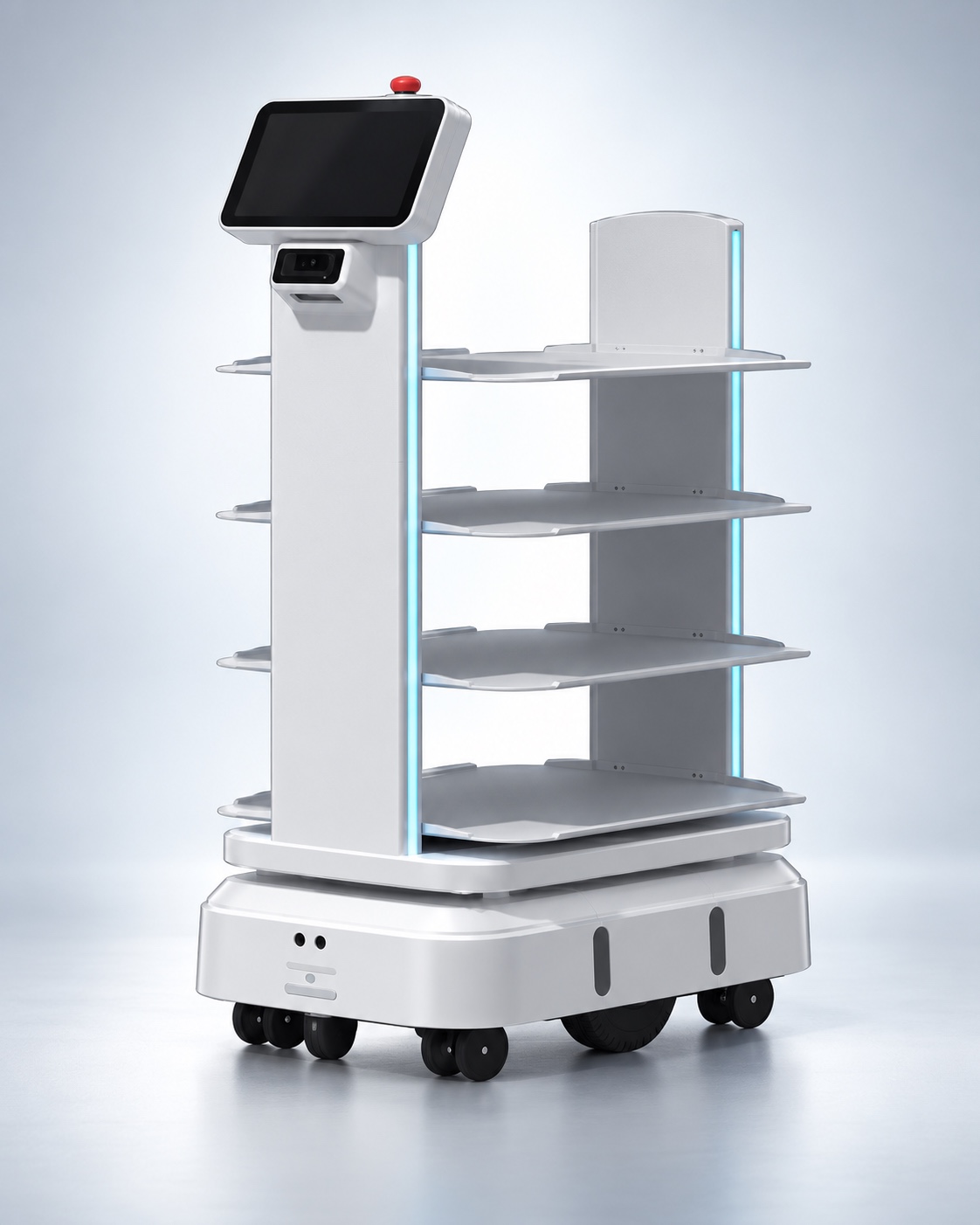
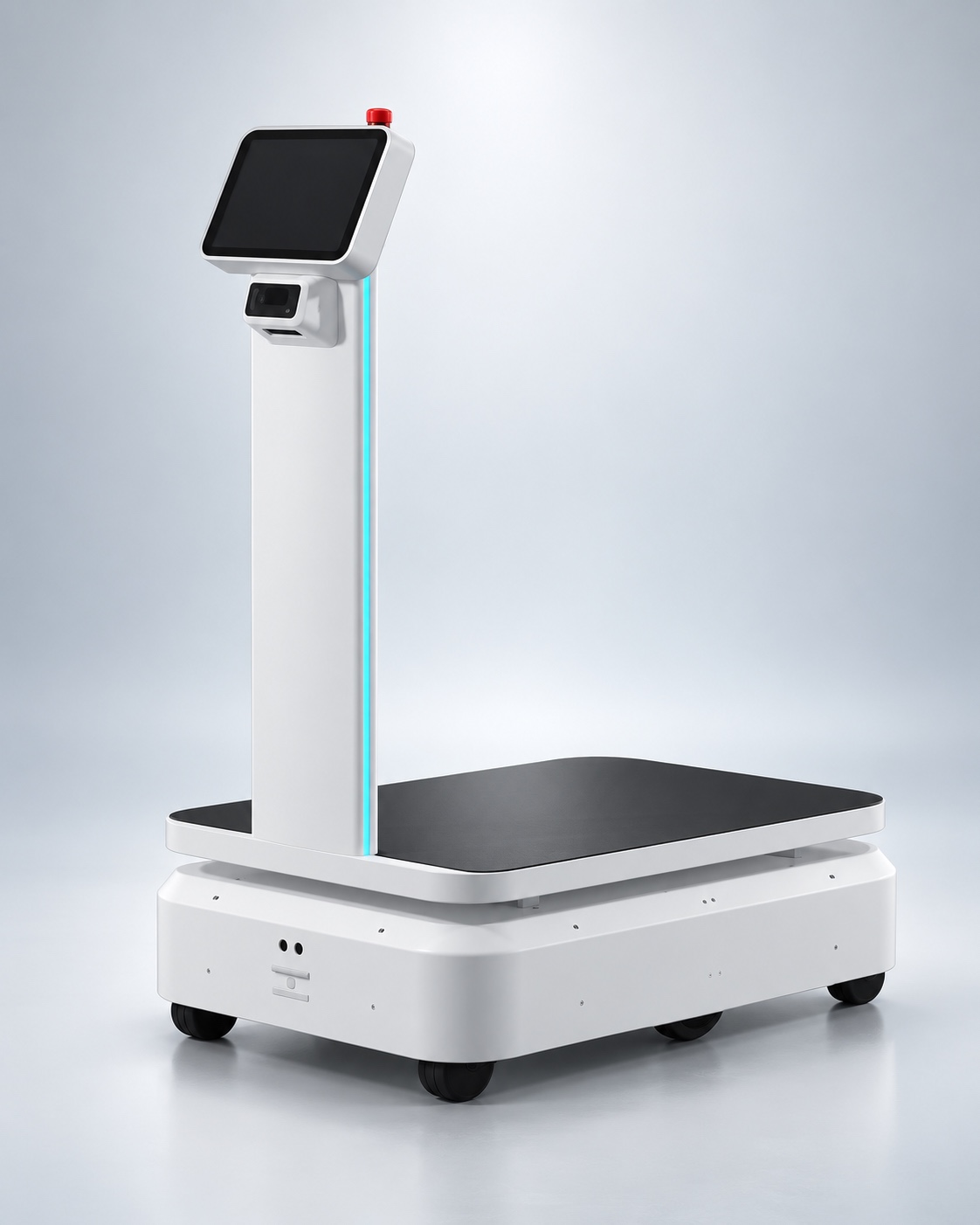
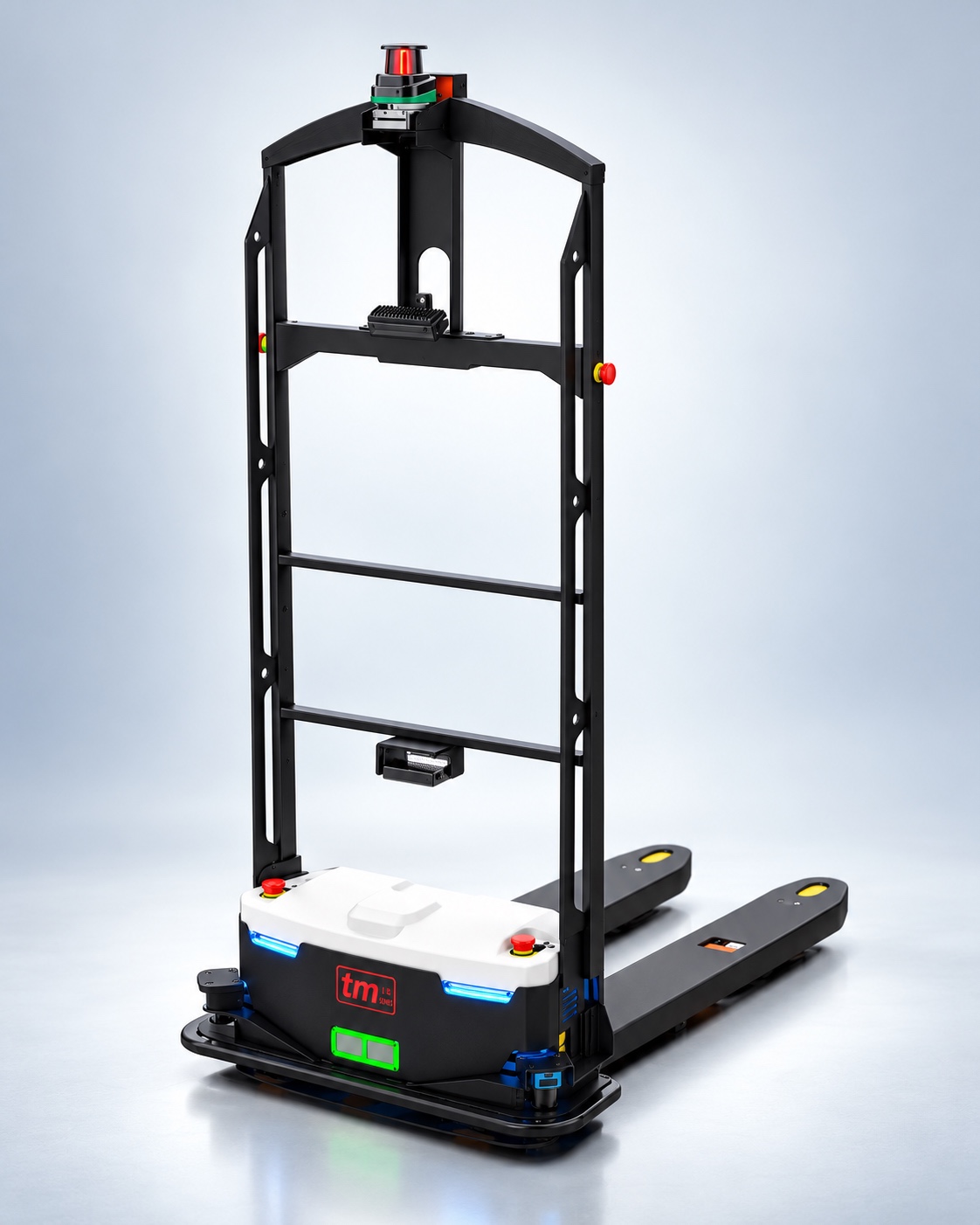
Sub-type lifting
Operate beneath suitable carriers for pickup and transfer.
Low-profile sub-type lifting
Material movement from beneath the load.
Product information and demonstrations,
scoped around your environment.
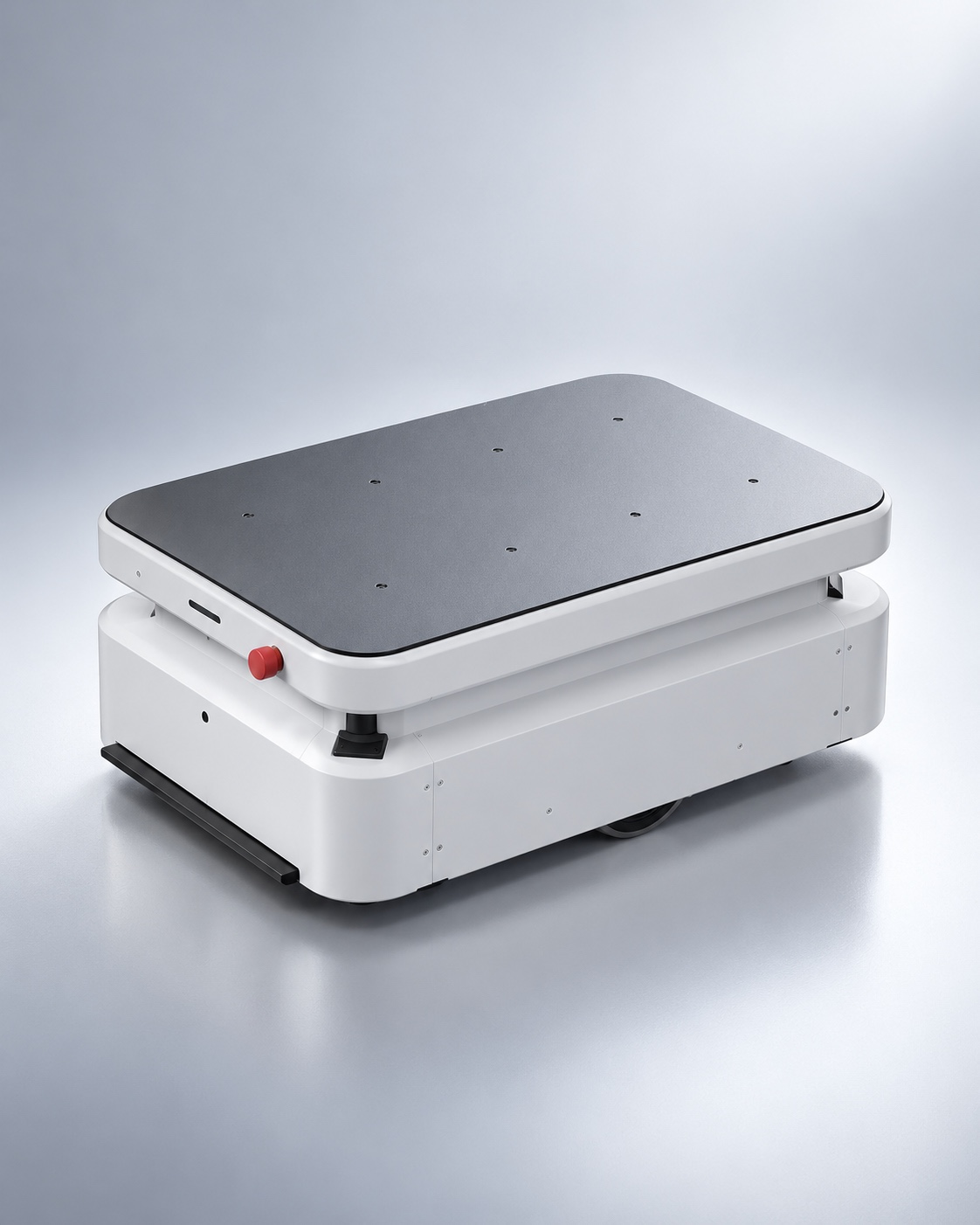 AARYVYA / Low-profile sub-type lifting
01 / Product overview
The S Series uses a low-profile sub-type lifting approach. The robot moves beneath compatible carriers and lifts them for transport through structured indoor workflows.
The provided portfolio specifies a 150–600 kg payload range and positions the platform for dense layouts where a compact footprint is useful. Carrier dimensions and pickup clearance are central to suitability.
Start with the actual carrier and route. Confirm under-clearance, load handling, floor conditions and the space needed for travel and handover rather than choosing only by payload.
02 / Core capabilities
Operate beneath suitable carriers for pickup and transfer.
Assess routes and loads requiring a compact lifting platform.
Choose a suitable configuration within the supplied range.
Coordinate compatible movement requests through RoboFleet.
Payload range supplied in the transfer portfolio. Final capacity and load compatibility depend on the selected configuration.
03 / Where it fits
These contexts guide evaluation. The operating space, process and selected configuration determine the final deployment scope.
04 / Use scenarios
Move compatible load carriers between stations.
Connect buffers and work areas with defined transfer tasks.
Support recurring material requests along approved paths.
05 / Operational value
Assess transport from beneath a compatible carrier.
Automate suitable recurring heavy-load transfers.
Create defined endpoints and a repeatable request process.
06 / System & ecosystem
RoboFleet connects compatible AMRs to call-button requests, barcode-triggered jobs and central task distribution. Define pickup and delivery points, load handling and task priorities together. Fleet coordination should follow the actual movement pattern of the facility, with compatibility and interface scope confirmed during planning.
Explore RoboFleetDeployment discussion
What recurring work or interaction should this system support? Define the outcome and who is responsible for it.
What space will it operate in? Review access, routes, surfaces and the people sharing the area.
Which confirmed functions and equipment are required? Review compatibility and any interfaces before setting scope.
What would a useful demonstration or pilot show? Select a representative task and agree how the team will assess it.
Continue exploring
A conversation is the first step
Request product information, discuss deployment or ask about a demonstration.